Minor Entry Point Repairs in Pacifica, CA
Seal small gaps now to stop rodents, drafts, and repeat pest pressure.
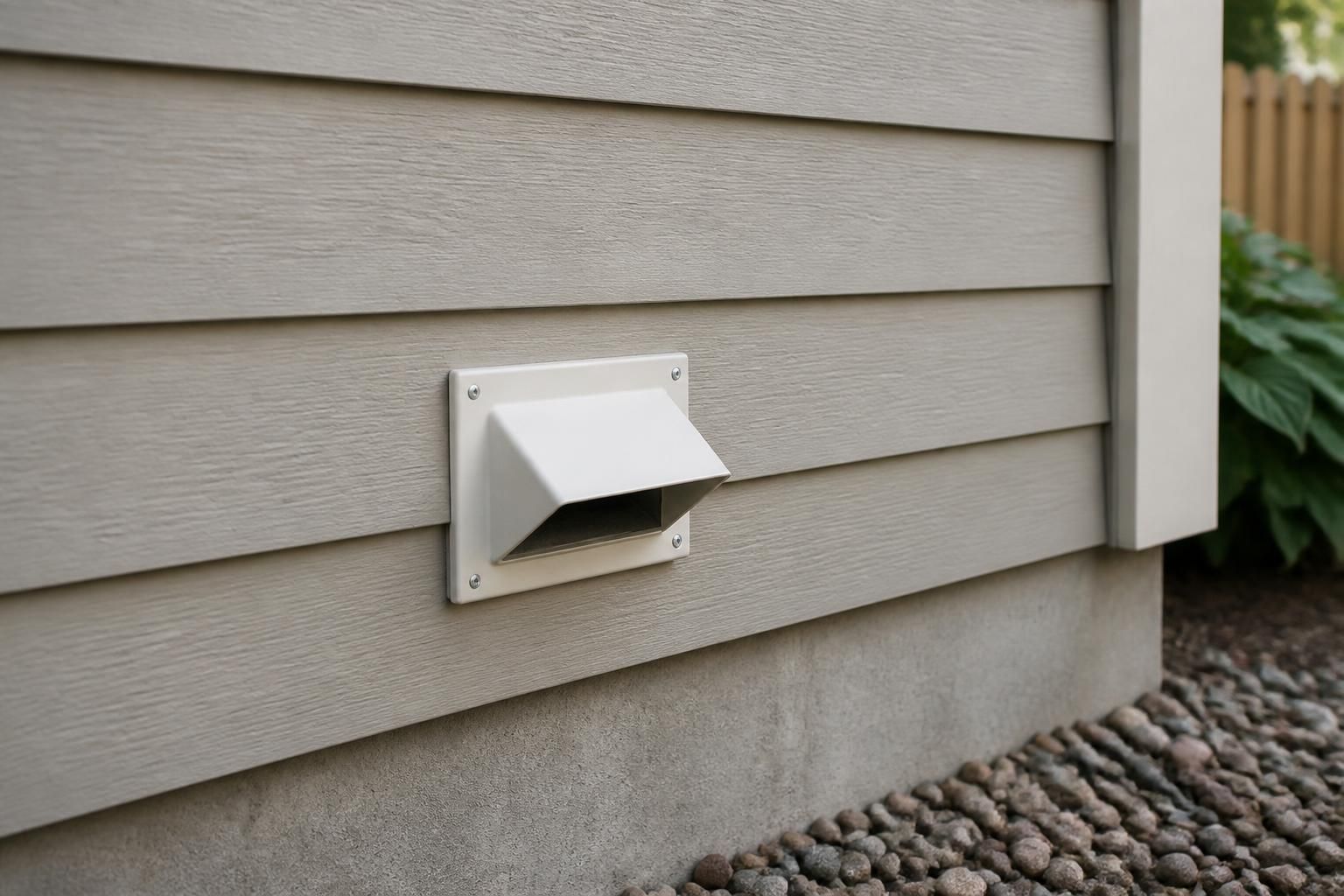
Seal small gaps now to stop rodents, drafts, and repeat pest pressure.
A tiny opening along a pipe, vent, roof edge, or foundation line can be enough for rats and mice to slip through. If you have heard scratching, found droppings, or noticed insulation damage, those small gaps are often where the problem starts.
Proofit serves Pacifica, CA with minor entry point repairs that help close off the weak spots rodents use most. Call (650) 255-8117 or request a quote if you want those openings checked and sealed before the issue spreads.
Rodents do not need a large opening to get inside. A loose screen, cracked seal, separated trim board, or unsealed utility opening can become a direct access point. Once inside, rats and mice can move from wall voids to attic space, crawlspaces, and insulation areas.
Minor entry point repairs focus on the openings that are easy to overlook during a quick walkthrough. In Pacifica, CA, we often find damage around the edges of vents, under eaves, near pipes, and where different building materials meet. The goal is simple: reduce easy access before it turns into a larger pest problem.
Homeowners usually spot the side effects before they see the opening itself. When rodents are active, the building often gives clues that something is not sealed correctly.
Proofit also looks for entry conditions that are easy to miss during a homeowner inspection. If you already had rodent control or removal work done, sealing the remaining gaps is what helps keep the pressure from returning.
Minor entry point repairs are most effective when they focus on the actual weak spots, not just the obvious hole. We inspect common access areas around the home and address the places rodents use to move from outside to inside.
These often include small gaps near siding edges, foundation lines, utility penetrations, and trim separation. Even a narrow opening can become a repeat access route if it stays open.
Vents, eaves, fascia gaps, and roof transitions can allow pests to reach attic space. We look for openings that are easy to overlook from ground level.
Crawlspace areas, pipe entry points, and openings near the base of the structure can give rodents a quiet path indoors. These spots matter because they are often sheltered and less visible.
Minor entry point repairs are meant to close off small but important openings that let pests keep coming back. The work may include sealing, patching, and tightening vulnerable areas so they are harder for rodents to use.
We look for openings and weak seams that match common rodent access patterns.
We examine nearby materials so the repair addresses the full weak spot, not just the center of it.
We close the opening using repair methods suited to the location and material.
We note other spots that may need attention if they could become the next path in.
When needed, this work can pair well with rodent inspection, rodent control & removal, insulation removal, attic restoration & decontamination, crawl space restoration & decontamination, dead animal removal, odor removal, and wildlife removal.
Rodents are persistent. If one access point gets closed but another small gap remains open, they may simply shift to the next weak spot. That is why minor entry point repairs are a key part of long-term pest reduction for homeowners dealing with repeated activity.
Common reasons pests keep coming back include:
Proofit serves Pacifica, CA homeowners who want a direct approach. If the building still has easy access points, rodents can keep finding their way in even after removal work has been done.
Minor entry point repairs should be specific to the structure, the opening, and the pest activity pattern. We do not treat every gap the same way because different materials and access points require different solutions.
We start by checking where pests are most likely to enter and where the home shows signs of wear or separation. This keeps the work centered on real access points.
We close off small openings so they are less likely to be used as routes by rats or mice. The goal is to reduce repeat pressure at the same spot.
If we find nearby weak areas, we point them out so you know what may need attention next. This helps homeowners make informed decisions without guessing where the next problem will start.
Many homeowners call after rodent control or dead animal removal because the signs are still there even though the animals are gone. That is a smart time to look at entry points. Without sealing the access route, new rodents can step into the same opening later.
Minor entry point repairs also support attic restoration & decontamination and crawl space restoration & decontamination. Once damaged materials and contamination are handled, closing off the access points helps protect the cleaned area from becoming active again.
For properties with repeated odor concerns, broken insulation, or attic disturbance, Proofit can help narrow the source and reduce the conditions that let pests keep returning.
Small openings around pipes, vents, trim, utility lines, roofline edges, or crawlspace areas usually count as minor entry points. They may look harmless but can still be large enough for rodents to use.
No. If you already see droppings, hear scratching, or notice chew marks, the opening may already be active. Catching it early is easier than dealing with a larger infestation later.
Yes. Once rodents are removed, sealing the access points helps reduce the chance of repeat activity through the same spots.
They can, especially when odors are tied to dead animals, nesting material, or contaminated spaces. Sealing the opening does not remove the odor by itself, but it helps stop new activity from adding to it.
We often find openings near vents, crawlspace access, utility penetrations, and small separations along roofline or exterior details. Those are common access routes for rodents.
Call Proofit at (650) 255-8117 or send a quote request. We serve Pacifica, CA and nearby Peninsula communities for homeowners who want those small openings checked before they become a bigger pest issue.
When rodents have a path, they use it repeatedly. Minor entry point repairs help close the small openings that make a home easier to reach, easier to nest in, and harder to protect.
If you are seeing signs of pest activity or want a closer look at vulnerable openings, Proofit is ready to help in Pacifica, CA. Reach out by phone or request a quote, and we will help you take the next step toward sealing the problem off at the source.

Get Started
Share your concerns and we will help you move forward with a practical plan for inspection, exclusion, cleanup, or removal.